A sewer line quote is the price of three things: getting to the pipe, replacing it, and putting everything back on top. The pipe itself is the cheap part. That is why two houses on the same street can get quotes thousands of dollars apart, and why the national average you see online can look nothing like the number a plumber hands you.
Every figure below is a 2026 US national range from HomeAdvisor’s sewer line cost data, parts and labor. Local labor rates, permit fees and soil decide where in each range you land.
- National average for sewer line work in 2026
- $3,319
- Per linear foot for a full replacement
- $60–$250
- Camera inspection, the step that comes before any quote
- $100–$500
- Extra per foot when the line runs under a concrete slab
- +$300–$350
Source: HomeAdvisor national sewer line cost data (June 2026).
What does a sewer line replacement cost in 2026?
| Job | National range | What it usually means |
|---|---|---|
| Camera inspection | $100 to $500 | A plumber runs a camera down the line to find the problem and its depth |
| Tree roots cleared | $100 to $600 | Roots cut out of the pipe; the damage they caused is extra |
| Cracked section repaired | $600 to $1,050 | One spot dug up and a short length of pipe replaced |
| Typical sewer line job | $1,388 to $5,323 | The national middle, partial and full jobs together |
| Full replacement | $60 to $250 per foot | The whole run from the house to the street |
| Trenchless lining (CIPP) | $90 to $250 per foot | A resin liner cured inside the old pipe |
| Pipe bursting | $60 to $200 per foot | A new pipe pulled through as the old one is broken apart |
Why the national average looks low
The $3,319 average is real, but it blends a lot of small jobs with a few big ones. Cutting roots out of a line, or digging up one broken joint and splicing in a few feet of new pipe, pulls the average down. A full house-to-street replacement is priced by the foot, and the arithmetic gets bigger quickly:
| Length of the line | At $60 per foot | At $250 per foot |
|---|---|---|
| 30 feet | $1,800 | $7,500 |
| 50 feet | $3,000 | $12,500 |
| 100 feet | $6,000 | $25,000 |
Those totals are before restoration. That is why plumbers often quote full replacements in the $5,000 to $20,000 range even though the national average sits near $3,300: they are pricing a different job. When you compare your quote with a national figure, compare it with the per-foot number for the length of your line, not with the average.
What drives the price up or down
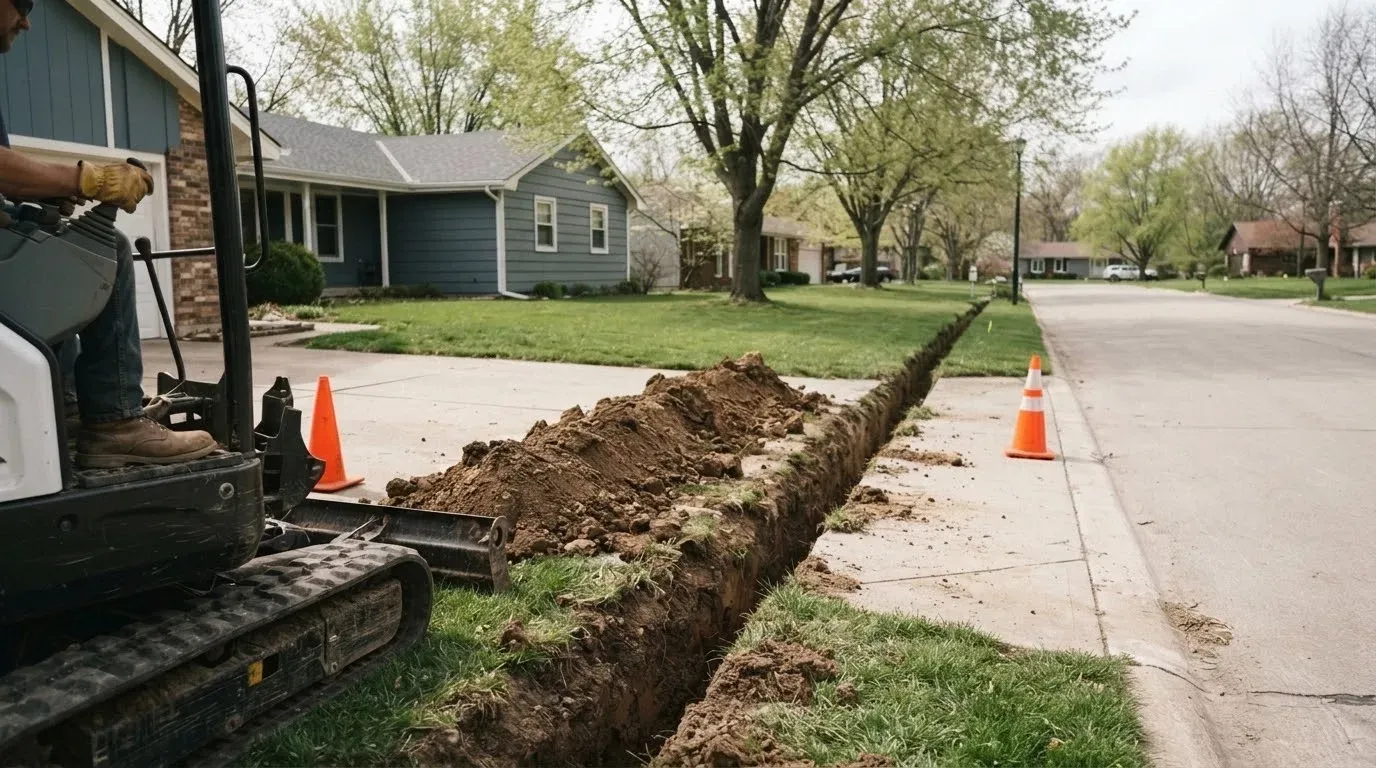
Length and depth. Every foot between the house and the public main adds pipe and labor, and every foot down adds more. A line 2 feet under the lawn can be dug by a small crew in a day. A line 8 feet down needs a bigger machine, more backfill, and trench shoring so the walls cannot collapse on the crew, which is a safety requirement, not an upsell.
What sits on top of the pipe. Lawn is cheap to put back. Concrete, asphalt, pavers, a patio, a deck or a mature tree is not. HomeAdvisor’s national figures put concrete driveway repair at $1 to $25 per square foot, asphalt at $1 to $15, and landscaping at $4.50 to $12. A line that runs under a busy street can mean traffic control and a road patch done to the city’s specifications, which is where the five-figure quotes come from.
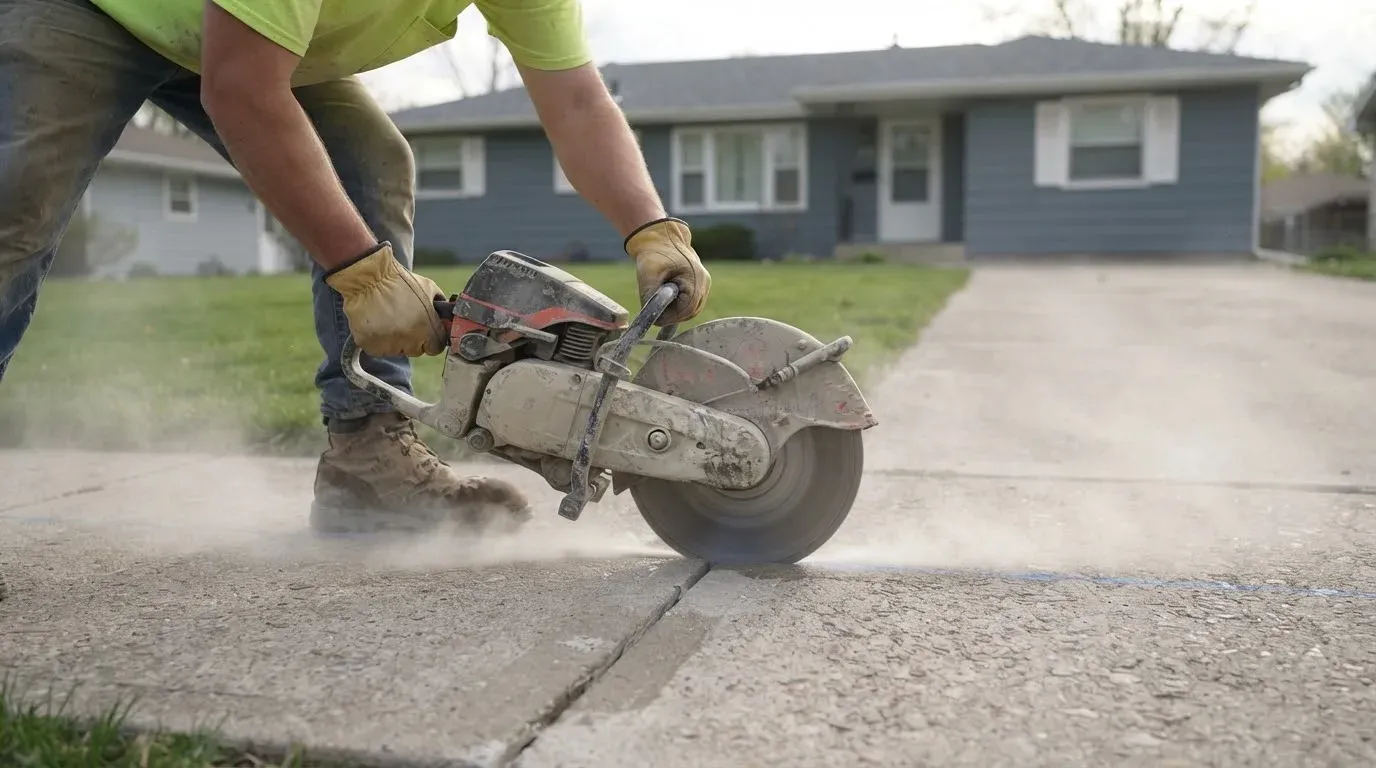
Under the house. A line that runs under a slab foundation costs an extra $300 to $350 per foot nationally to trench, because the concrete floor has to be broken out and replaced. In a basement where the pipe can be reached without excavation, the work drops back to the $60 to $250 per foot range.
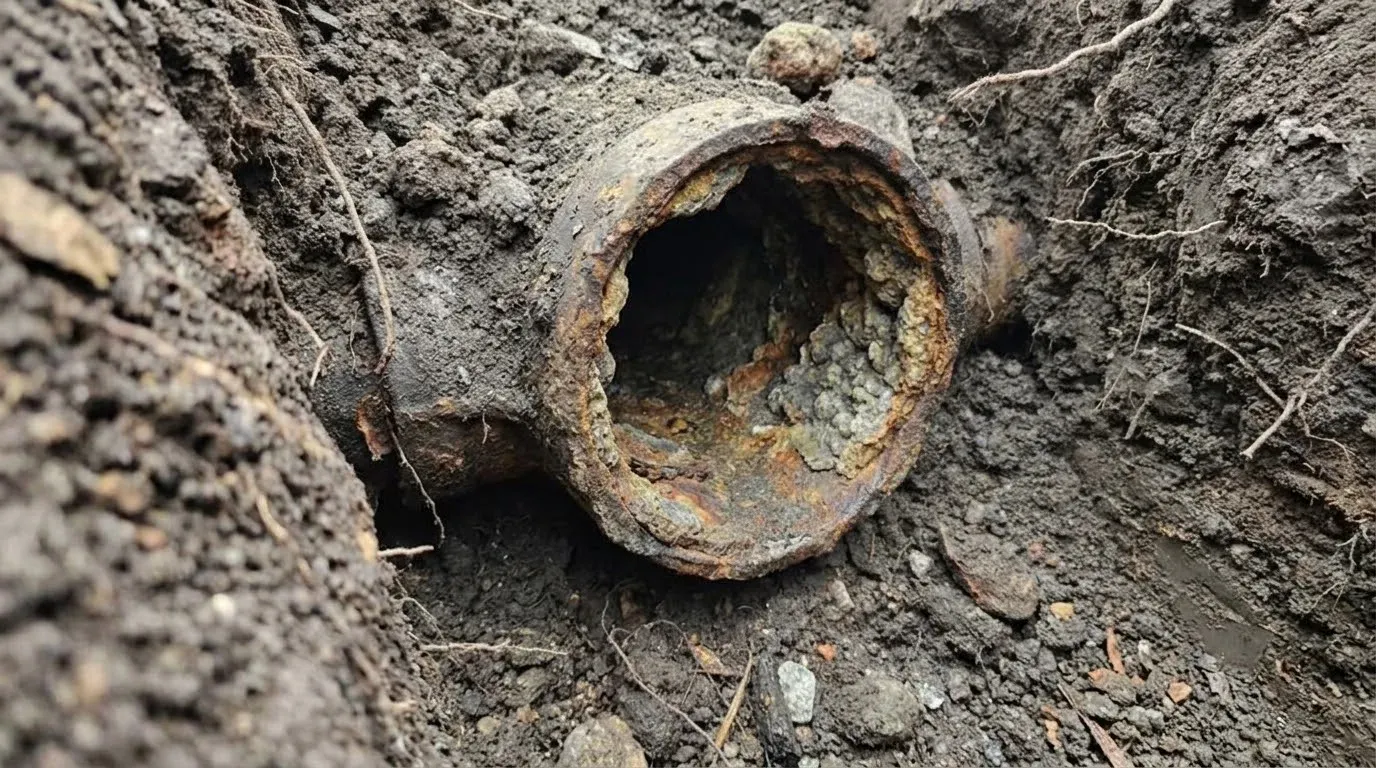
What the old pipe is made of. Older lines are often clay, cast iron, or Orangeburg, a fiber pipe made of wood pulp and tar that was common in the mid-20th century. Clay joints let roots in. Cast iron rusts from the inside until the bottom of the pipe is gone. Orangeburg softens and flattens under the weight of the soil. A pipe in that state usually has to be replaced rather than lined, which changes the method and the price.
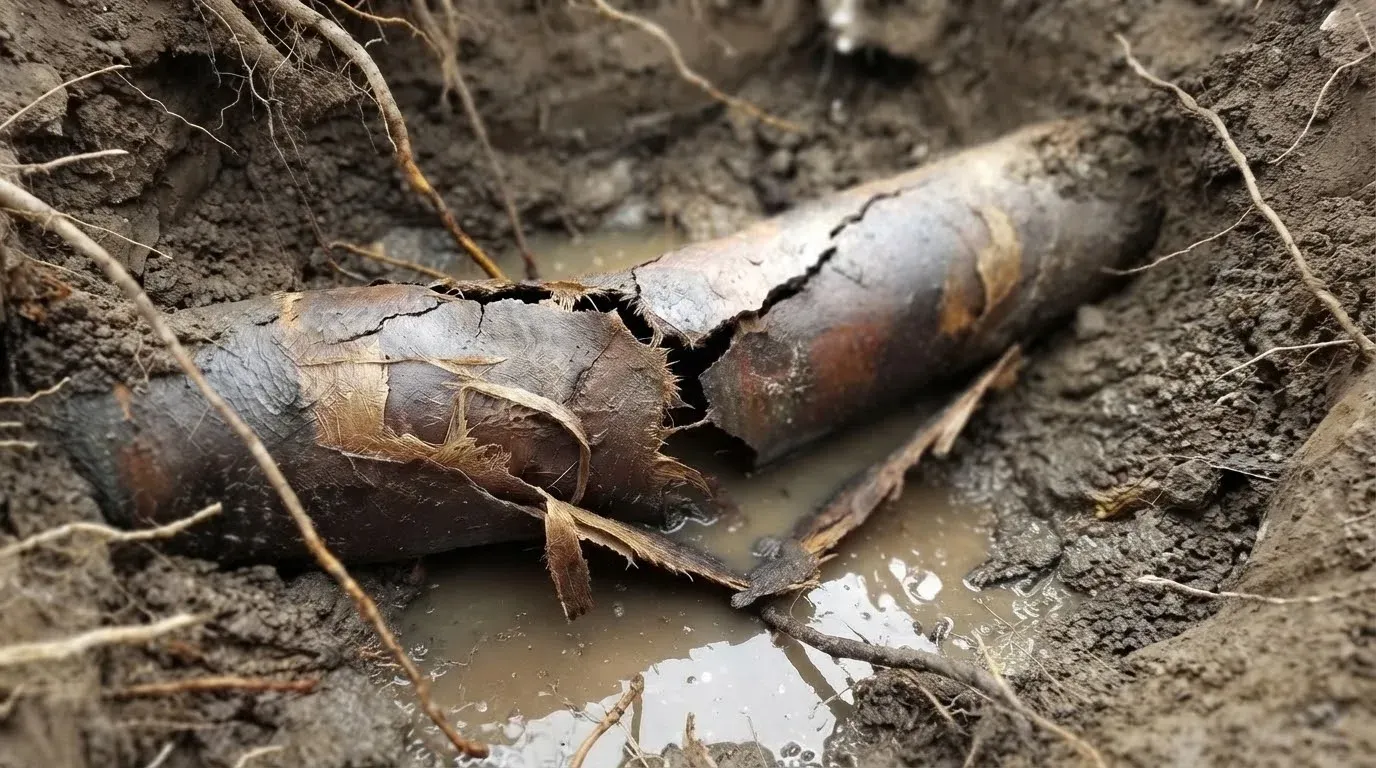
Soil and surprises. Rock, clay, a high water table or an old line no one mapped can all add time once the digging starts. A good quote names these risks up front and says how they would be priced. That is the honest version of “the price may change.”
Permits. Sewer work almost always needs a plumbing permit and an inspection, and digging in the public right of way often needs a separate excavation permit. Fees are set by your city or county and vary widely, so ask the plumber whether the permit is in the quote, or call the building department.
Spot repair, trenchless or full replacement?
Spot repair. If the camera finds one bad section and the rest of the line is sound, digging one hole and replacing a few feet of pipe is the cheapest fix that actually lasts. National figures put a cracked pipe repair at $600 to $1,050. The new section is joined to the old pipe with shielded rubber couplings.
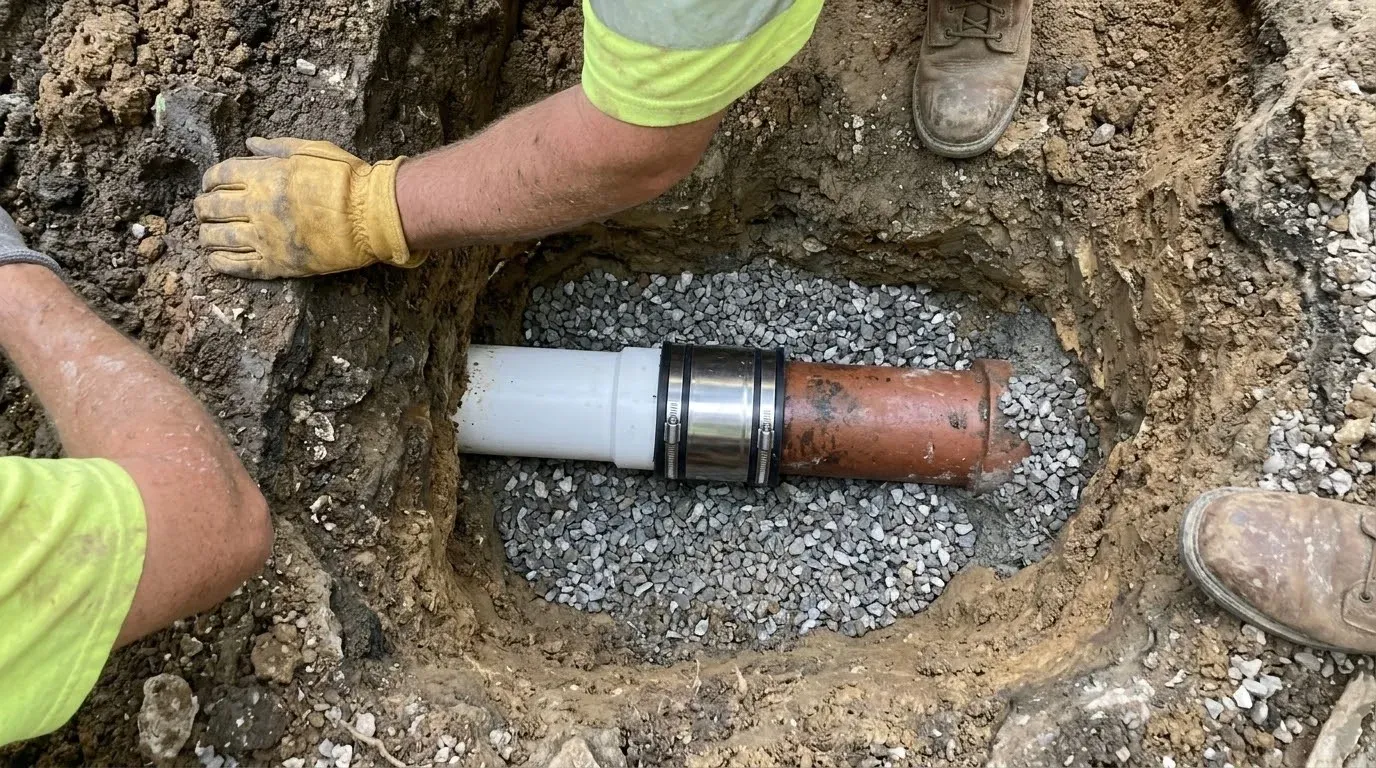
Trenchless. Lining pulls a resin-soaked sleeve through the old pipe and cures it into a new pipe inside the old one. Bursting pulls a new pipe through while a cone breaks the old one apart. Both need an access pit at each end instead of a trench the whole length. They cost about the same per foot as digging, sometimes more, and save money on what does not get dug up. Neither works on a pipe that has fully collapsed.
Full replacement. The most expensive option, and sometimes the only one. If the pipe is collapsed, sagging into a belly that holds water, or made of a material that is failing everywhere at once, a new line laid in a trench is the fix. PVC sewer pipe is expected to last for decades, and This Old House puts the life of a modern sewer line at 50 to 100 years depending on material.
Start with a camera inspection
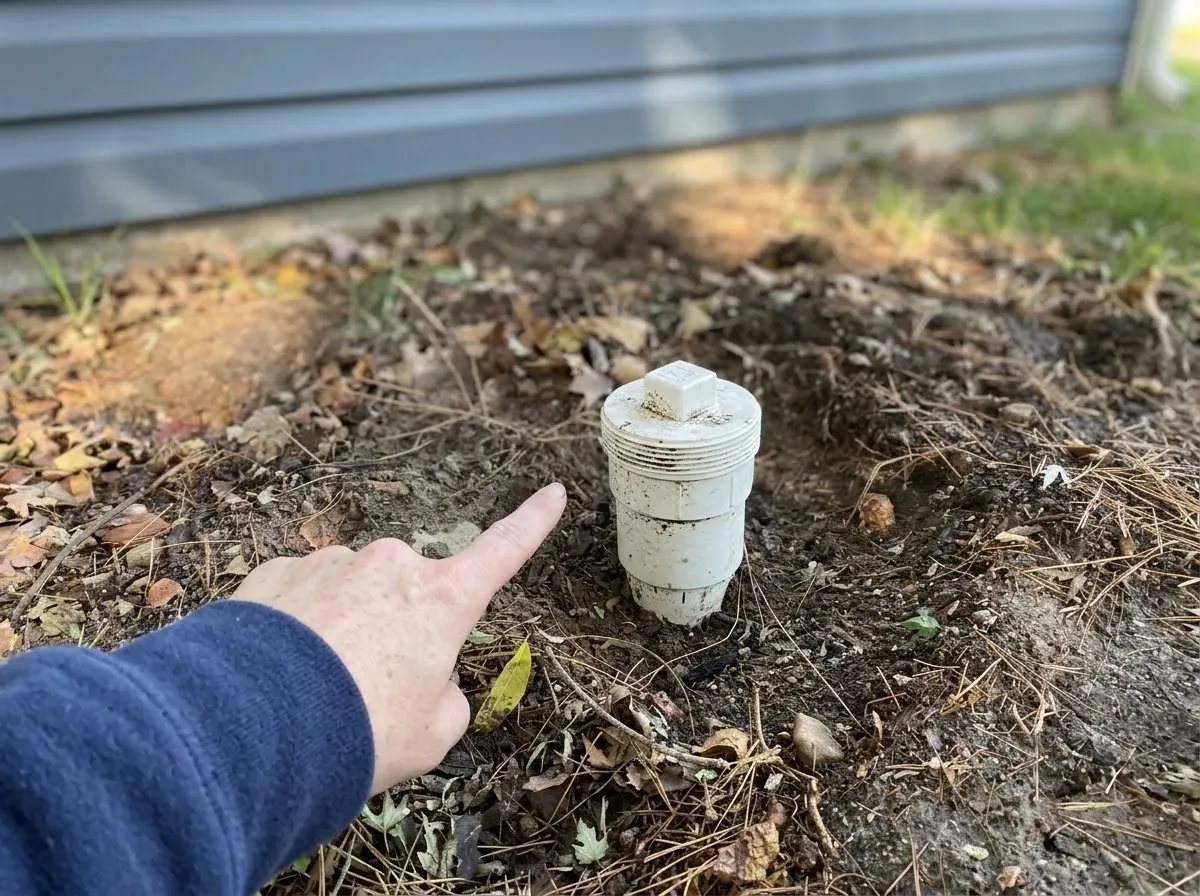
Do not let anyone price a replacement without a camera inspection. For $100 to $500, a plumber runs a small camera on a cable down the line, usually through the cleanout, and records what it sees: roots, cracks, offset joints, a collapse, and how far along the line each problem sits. A locator above ground then marks the spot and its depth. That one recording is what tells you whether you need a $600 repair or a $10,000 replacement.
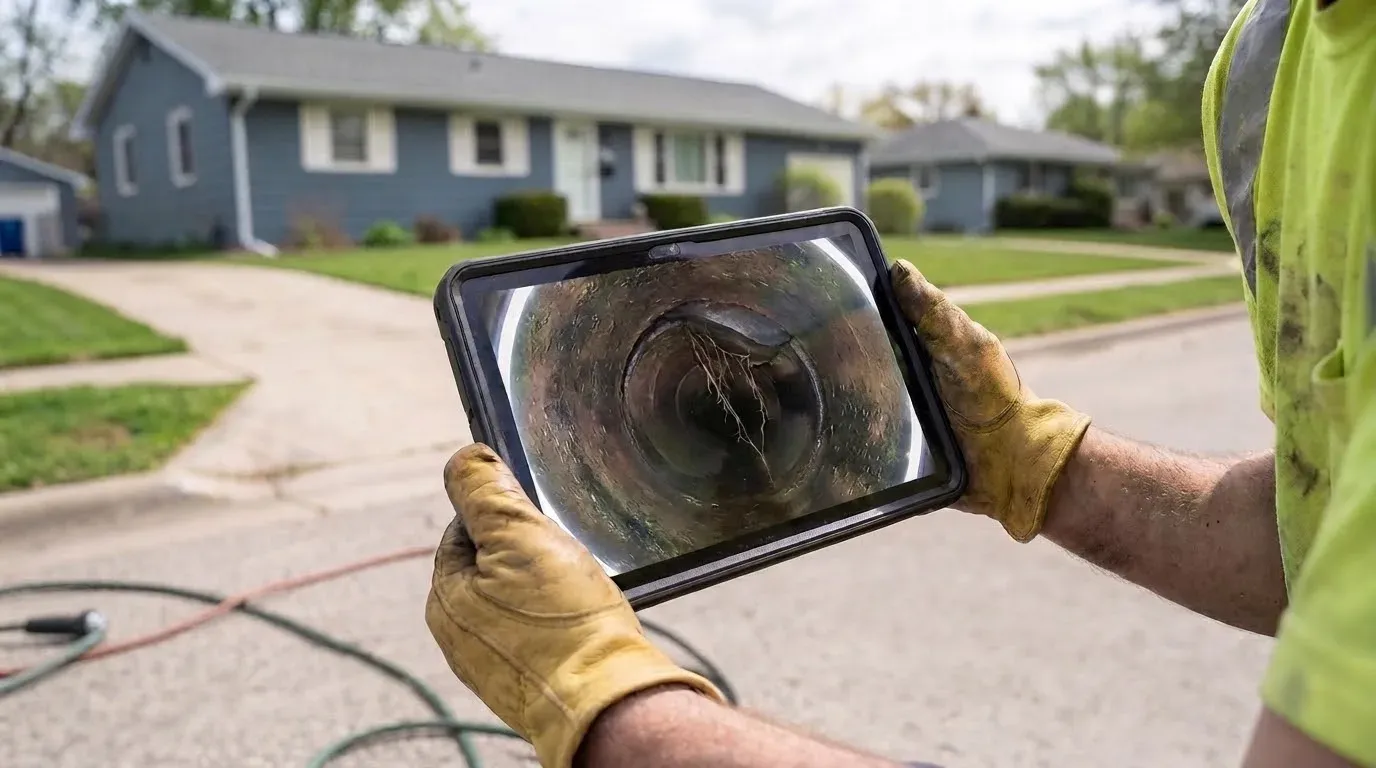
If the line is backed up, it may need to be cleared before the camera can get through. Running a hose down the cleanout is free and worth a try. A drain auger can be rented from a home center for a few hours, and a plumber who clears the line typically charges by the hour, often with a two-hour minimum. If an auger clears the clog and the line backs up again within days, the problem is in the pipe itself, not in what went down it, and the camera is the next step.
Who pays for which part of the line
In most US cities, the homeowner owns the lateral, the pipe from the house to the public sewer main. Where that ownership ends varies. Some cities take over at the property line; others only at the connection to the main, which can put the section under the sidewalk or the street on your bill. Your city or sewer utility can tell you where your part stops, and that answer can change a quote by thousands of dollars.
Standard homeowners insurance usually does not pay for a line that failed from age or roots. Many insurers sell a service line endorsement, and some utilities run their own warranty programs. Neither helps with a problem you already have, which is why it is worth checking your policy now.
How to compare sewer line quotes
A quote far below the others is usually missing one of those lines: no permit, less restoration, or a shorter run of pipe than the problem needs. That does not mean the work will be bad, but it means you are not comparing the same job. Line the quotes up item by item before you look at the totals.