A siding quote is a price per square foot of wall times the size of your walls, plus everything that has to be cut, fitted and sealed around them. The material sets the rate. The shape of the house, the number of stories and the trim decide how far above that rate the final number goes.
All ranges are 2026 national figures from HomeAdvisor’s siding data, installed. Labor rates in your area and the product line you choose set your spot in each one.
- National average for a siding replacement in 2026
- $11,588
- Per square foot for vinyl, installed
- $3–$12
- Per square foot for fiber cement, installed
- $5–$14
- Per square foot to tear off and dispose of old siding
- $0.25–$2
Source: HomeAdvisor national siding cost data (June 2026).
What does siding replacement cost in 2026?
| Material | National range, per sq ft | Upkeep |
|---|---|---|
| Engineered wood | $1 to $6 | Paint on a schedule; must be installed to keep water out |
| Vinyl | $3 to $12 | Wash it; never painted |
| Aluminum | $3 to $6 | Dents and scratches; can be painted |
| Steel | $4 to $16 | Touch up scratches before they rust |
| Wood | $1 to $15 | Reseal or repaint every 3 to 5 years |
| Fiber cement | $5 to $14 | Repaint and recaulk periodically |
| Stucco | $7 to $9 | Patch cracks before water gets in |
| Stone veneer | $5 to $11 | Little, if installed right |
| Brick | $10 to $20 | Little; can last over 100 years |
Those rates usually include installation. Removal and disposal of the old siding is a separate line on many quotes, $0.25 to $2 per square foot, and the permit, $150 to $1,500 depending on the city, may or may not be in the price.
Why most full-house quotes beat the average
The $11,588 average is real, but it blends one-story houses, partial jobs and basic vinyl with everything else. A full job on a two-story house is a different size of project, and the arithmetic shows it.
Take a two-story house 30 by 40 feet with 18-foot walls. The perimeter is 140 feet, so the walls are about 2,520 square feet. Take out the windows and doors, add the two gable triangles under the roof, and you are at roughly 2,500 square feet of siding. At the national rates:
| Material | Rate per sq ft | 2,500 sq ft of wall |
|---|---|---|
| Vinyl | $3 to $12 | $7,500 to $30,000 |
| Fiber cement | $5 to $14 | $12,500 to $35,000 |
| Old siding removed | $0.25 to $2 | $625 to $5,000 |
Then come the parts that are not siding: new trim around the windows and corners ($630 to $2,300 nationally), soffit and fascia, gutters if they come down, and any rotted sheathing found behind the old boards. That is how a full exterior on a two-story house climbs past $20,000, while the national average sits near $12,000. When you compare a quote with a national figure, compare it with the per-square-foot rate for your wall area, not with the average.
How contractors measure your house
Siding is sold and quoted by the square: 100 square feet of wall. A contractor measures every wall, length times height, subtracts the large openings, and adds the gables. Every gable, dormer and inside corner means boards cut at an angle and trimmed to fit, which adds labor and waste: the offcuts from angled cuts go in the dumpster, and the contractor orders extra material to cover them.
What pushes a siding quote higher
Stories and access. A one-story ranch can be sided from ladders. A two- or three-story house needs scaffolding or pump jacks, more time and more crew. HomeAdvisor puts siding labor at $40 to $75 an hour, and taller, more complex walls simply take more of those hours.
The shape of the house. A plain rectangle is the cheapest house to side. Gables, dormers, bump-outs, bay windows and porches each add corners, trim and cuts.
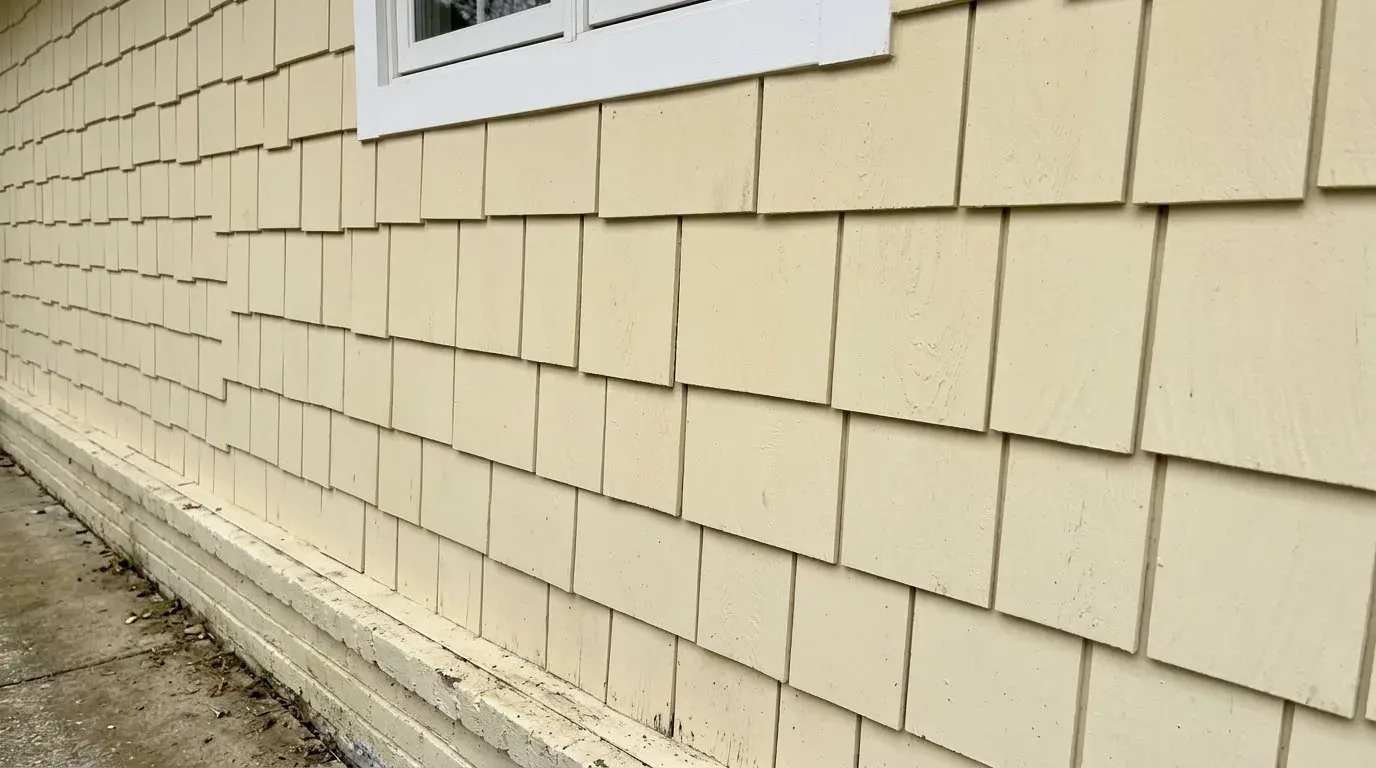
The profile. Horizontal lap is the baseline. Vinyl board and batten runs $3 to $8 per square foot, scalloped shingles $5 to $10, and vinyl shakes average $6.50. Shakes and shingles cost the most to install because each piece is short, so there are far more pieces to place than with 12-foot lap boards. Mixing profiles, shakes on the gables and lap on the walls, adds a little more.
Trim. On a vinyl job, the cheapest finish around windows and corners is a simple J-channel. Wide PVC or fiber cement trim boards look better and cost more, and on a house with a lot of windows the difference can run to thousands of dollars. Ask which one the quote assumes.
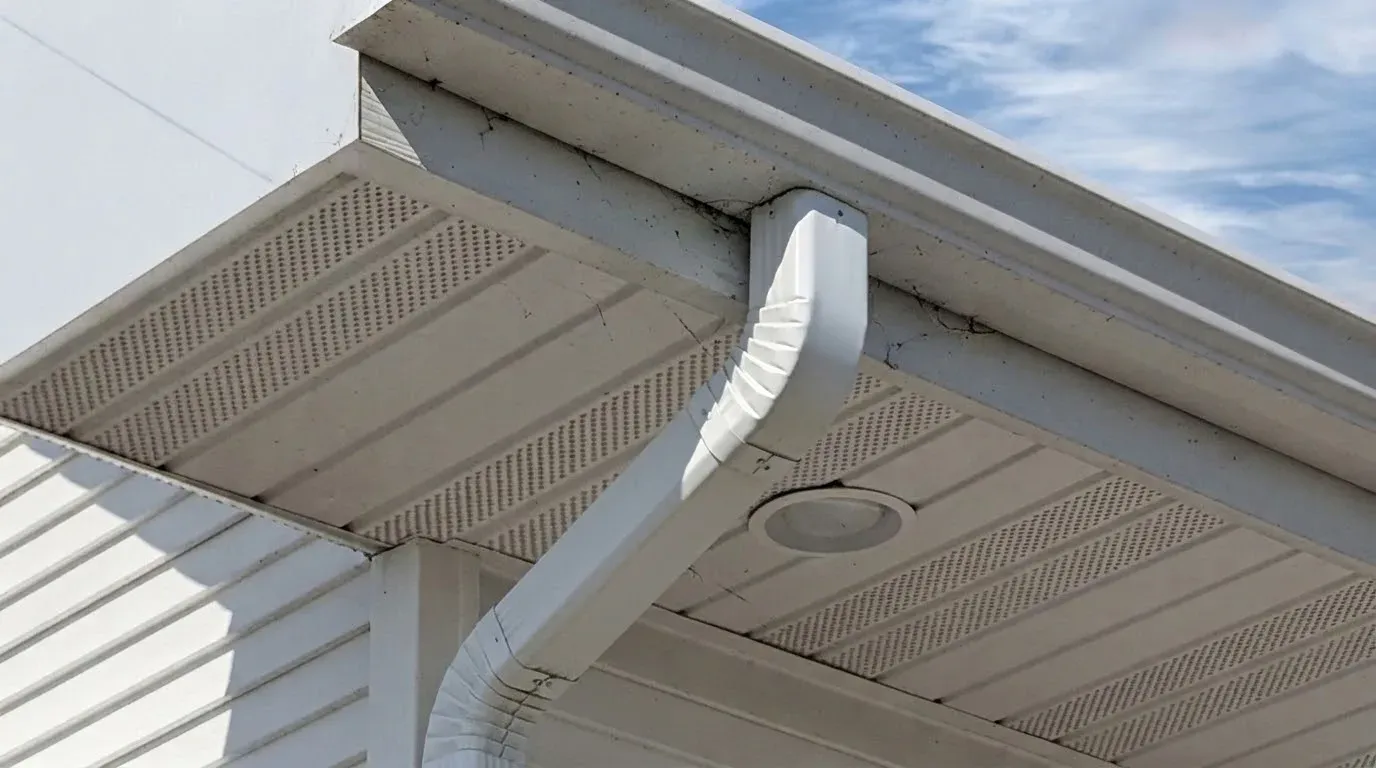
Soffit and fascia. The soffit is the underside of the roof overhang, and the fascia is the board along the roof edge that the gutters hang on. They are usually priced as a separate line. HomeAdvisor puts soffit and fascia repair alone at $1,050 to $3,300; replacing or wrapping all of it with the siding job adds more, depending on how much roof edge the house has.
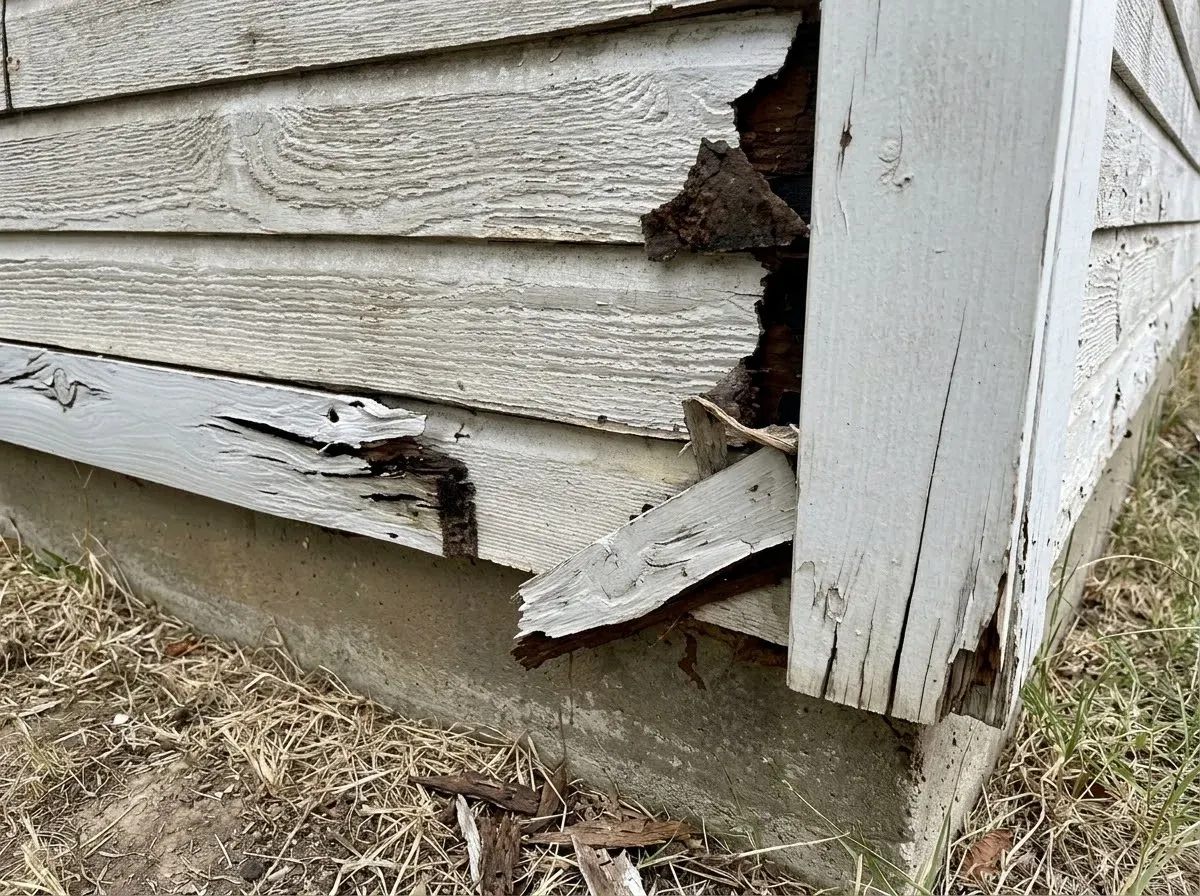
What is behind the old siding. Nobody knows until it comes off. Rotted sheathing, soft framing at the bottom of a wall or under a window, or water damage behind a leaking trim joint all add cost. A good quote prices that up front, per sheet of sheathing or per hour, so a surprise does not become a blank check.
The water-resistive barrier. The siding sheds most of the rain. The barrier behind it, house wrap or building paper, stops what gets past. The model residential code requires one on all exterior walls (IRC R703.2), lapped over the flashing at windows and doors. It is a small share of the price and a large share of whether the wall stays dry.
Asbestos and lead. Houses built before 1980 may have asbestos cement siding, which only a licensed abatement contractor should remove; HomeAdvisor puts asbestos siding removal at $9 to $10 per square foot, and a test at $230 to $785. On a house built before 1978, federal rules require a lead-safe certified contractor to disturb painted siding or trim.
Vinyl, fiber cement or wood?
Vinyl is the budget choice, $3 to $12 per square foot, and the low-maintenance one: it is never painted, only washed. Thicker product lines cost more and hold up better. Its weak points are impact, since a stone thrown by a lawn mower can crack a panel, and fading: a replacement panel years later rarely matches the color of the wall around it.
Fiber cement, a mix of cement, sand and wood fiber, costs $5 to $14 per square foot. It looks like painted wood, resists fire, rot and insects, and takes impacts better than vinyl. It is heavy, which raises the labor, and it is a painted product: it needs repainting and fresh caulk at the joints over the years, even when it comes prefinished.
Wood ranges from $1 to $15 per square foot depending on the species; pine and cedar are the common choices. Nothing looks quite like it, and nothing needs as much care: HomeAdvisor’s guidance is to reseal or repaint every 3 to 5 years, and to inspect it for rot and insects.
Engineered wood, wood strands bonded with resin, costs $1 to $6 per square foot, looks like wood and is treated against rot and insects. It depends on a careful install: cut ends and gaps that let water in are where it fails.
Siding first, or windows first?
If you plan to replace windows too, the type of window decides the order. A new-construction window has a nailing flange around it that gets flashed and taped into the wall under the siding, so it goes in with the siding off, before the new siding goes up. A replacement window slides into the existing frame without touching the siding, so it can go in afterward, or years later, with no risk of damaging the new siding. Tell the siding contractor about the windows before the work starts; doing both at once can add days to the schedule.
Patch the boards or reside the house?
Most siding repairs cost $367 to $1,524 nationally, with an average of $928. HomeAdvisor’s rule of thumb is to consider replacement once repairs pass about $2,000, or half the cost of new siding. Water is the expensive kind of damage: a small leak behind the siding can spread into mold and rotted sheathing long before it shows on the outside, so soft spots and stains are worth opening up early.
Checking a siding bid before you sign
A low siding bid usually drops something you will not see once the panels are up: the house wrap, the window flashing, or the soffit and fascia. Ask the cheapest contractor to price those three as separate lines; if the total climbs to match the others, the gap was scope, not efficiency.