A tune-up is the cheapest visit an HVAC company makes to your house, and the one where the price tells you the least. Two companies can both advertise “a tune-up” and send one technician for an hour with a checklist and another for fifteen minutes with a sales pitch. What matters is what gets done.
Costs are 2026 national ranges from HomeAdvisor’s HVAC maintenance data, and the checklist follows ENERGY STAR’s maintenance guidance. Booking in the off-season puts you at the low end of each range.
- Furnace tune-up, national range
- $125–$200
- AC tune-up, national range
- $60–$200
- Annual maintenance plan, heating and cooling
- $150–$300
- How much prices can climb in peak season
- Up to 2x
Source: HomeAdvisor national HVAC maintenance and furnace cost data (June 2026).
What does an HVAC tune-up cost in 2026?
| Service | National range | What it usually means |
|---|---|---|
| Furnace inspection | $80 to $100 | A look and a safety check, little or no cleaning |
| Furnace tune-up | $125 to $200 | Inspection plus cleaning and adjustment |
| AC tune-up | $60 to $200 | Coil cleaning and a full performance check |
| Full HVAC maintenance visit | $175 to $350 | Both systems; the national average is $250 |
| Maintenance plan | $150 to $300 a year | Usually two visits, plus priority scheduling and repair discounts |
Older systems can cost up to 50% more to tune up, because they take longer and need more parts. The season matters as much as the system: at peak times the price of service can double, and the best rates are in the off-season.
What a real tune-up includes
The checklist varies by company, but a tune-up worth paying for covers the items ENERGY STAR lists for a pre-season checkup. On any system:
- Check the thermostat settings and calibration.
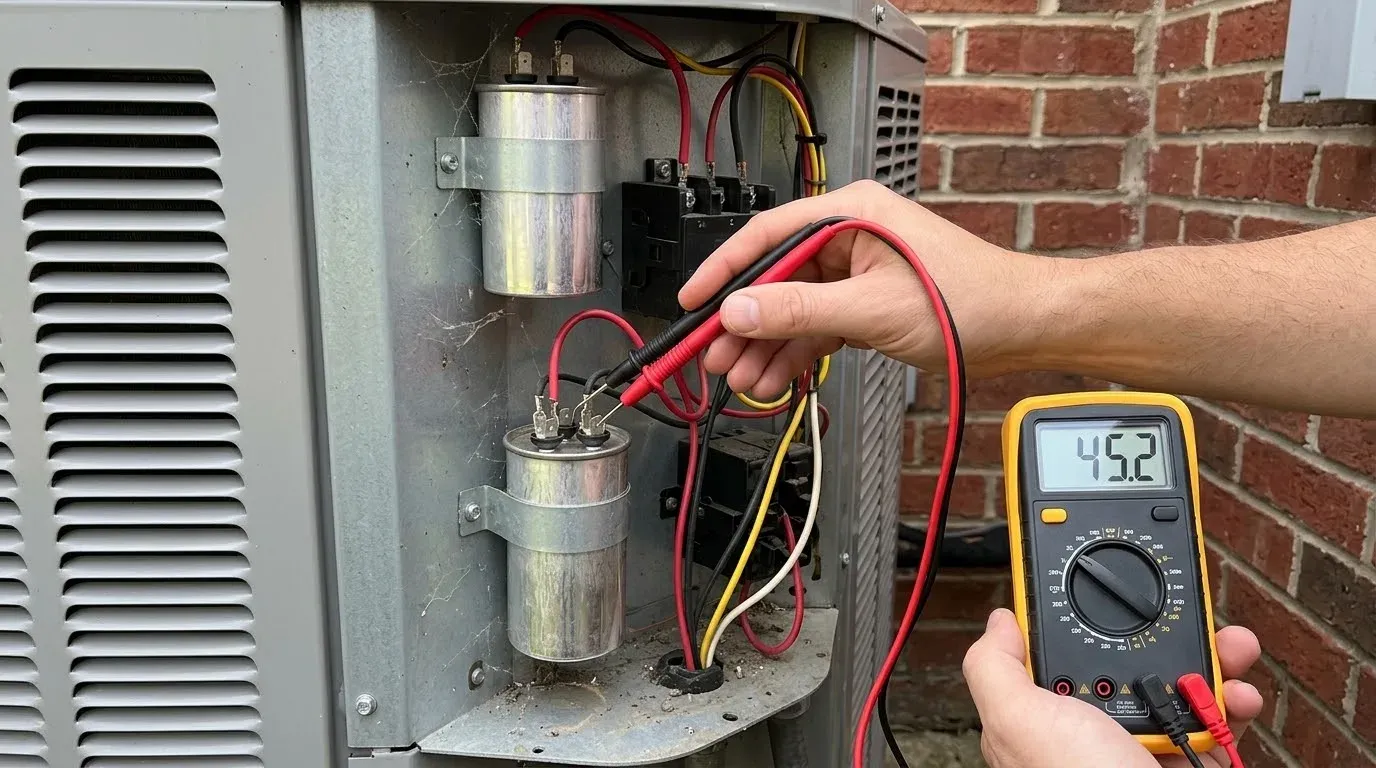
- Tighten the electrical connections and measure the voltage and current on the motors.
- Lubricate the moving parts.
- Inspect and flush the condensate drain, which can back up and leak if it clogs.
- Check the controls: the system should start, run and shut off correctly.
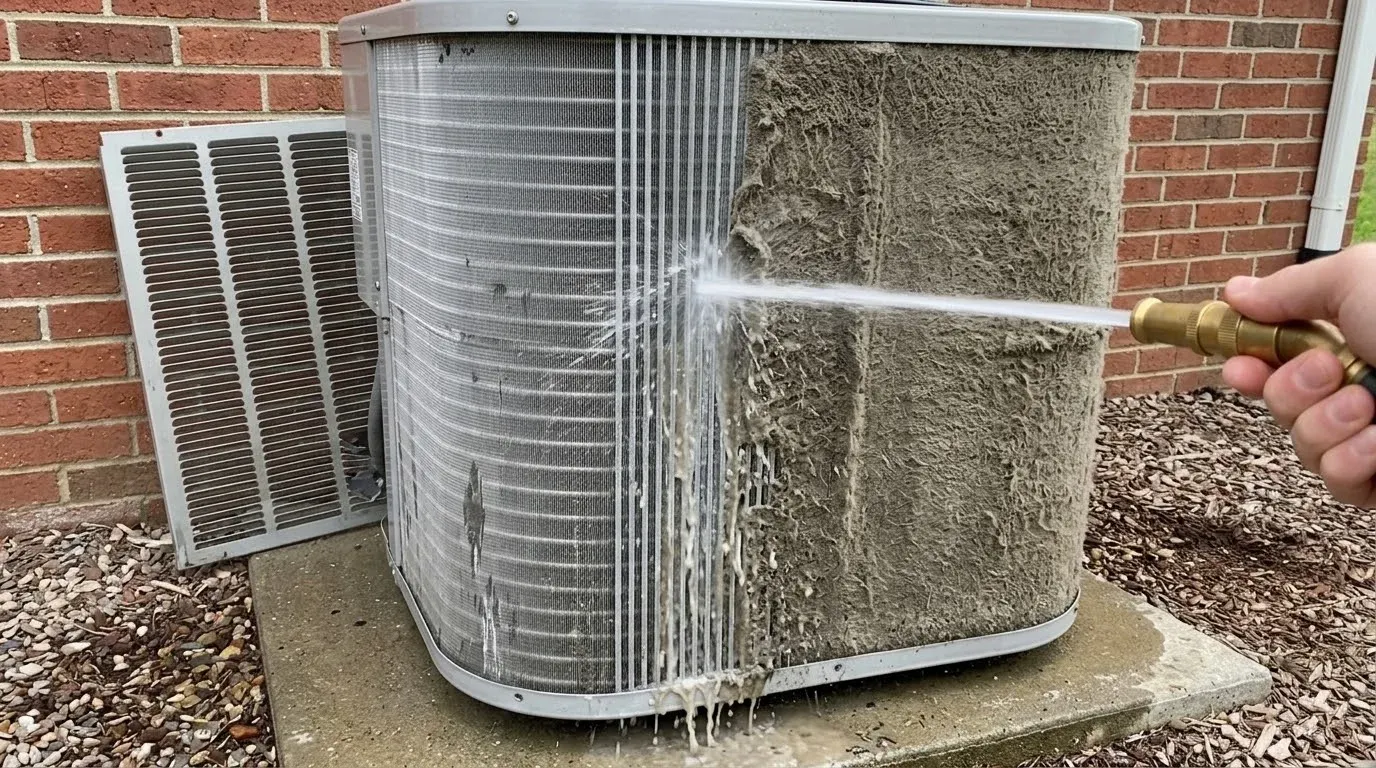
On the cooling side, the technician cleans the outdoor condenser coil and checks the indoor evaporator coil, checks the refrigerant pressures, and cleans and adjusts the blower. ENERGY STAR notes that airflow problems alone can cut efficiency by up to 15 percent.
The electrical tests are where a tune-up earns its price. The run capacitor, the part that helps the compressor and the fan motor start, wears out with heat and age, and it is one of the most common failures on an air conditioner. A technician with a meter can see a weak capacitor before it fails; a failing one makes the compressor work harder every time it starts, and the compressor is the most expensive part in the system.
On the heating side, the technician checks the gas or oil connections, the gas pressure, the burner combustion and the heat exchanger, and cleans the flame sensor. ENERGY STAR flags those checks for a reason: a faulty gas connection is a fire risk, and a cracked heat exchanger makes the furnace less safe. A slight burning-dust smell on the first cold day after a tune-up is normal; a smell that lingers is not.
A thorough visit takes about an hour per system. Ask for the readings in writing: the temperature split across the coil, the capacitor values, the amp draw, and the gas pressure on a furnace. A technician who did the work has them.
What you can do yourself, for free
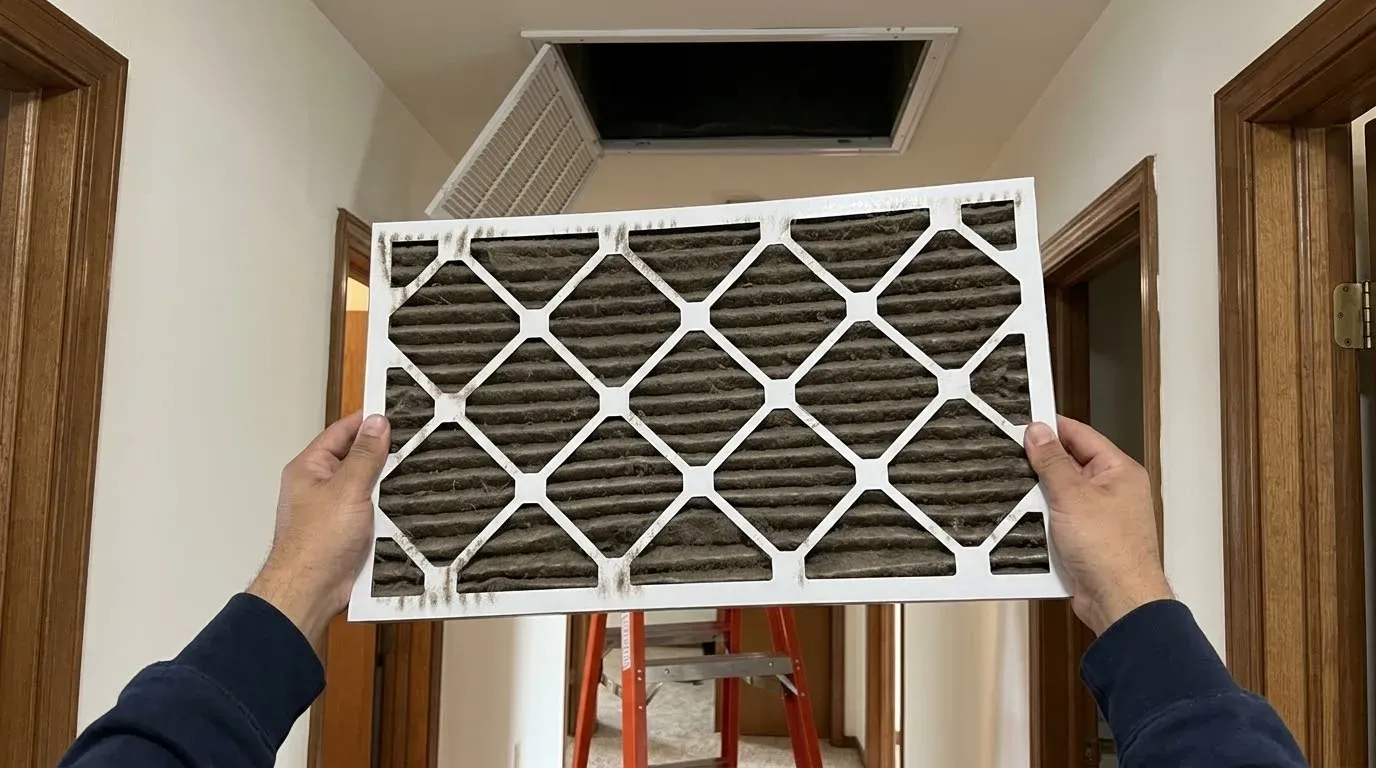
Some of what people pay a tune-up for is a five-minute job. The air filter is the big one: ENERGY STAR’s advice is to check it once a month, and replace it when it looks gray. Filters cost $1 to $35 depending on the type. A clogged filter starves the system of air, which on the cooling side can freeze the indoor coil and stop the house from cooling.
Keep the outdoor unit clear: no plants, leaves or grass clippings packed against the sides, and about two feet of open space around it. Make sure the return grilles inside are not blocked by furniture or rugs. A gentle rinse of the outdoor coil with a garden hose, power off, is fine between visits; the fins bend easily, so no pressure washer, and leave the chemical cleaning and anything inside the cabinet to the technician.
Cheap tune-ups and the upsell
Advertised tune-ups well below the national range exist, and some are honest seasonal specials. Others are a way in the door: a short visit, a filter check, and a list of urgent repairs. The defense is the same in both cases.
Refrigerant is the classic one. An air conditioner is a sealed loop: if it is low, it is leaking, and topping it up without finding the leak means paying again next season. A recharge alone costs $200 to $500 nationally, and a leak repair runs $200 to $1,600.
If a tune-up turns into a replacement conversation, a common rule of thumb multiplies the age of the system by the repair price: over about $5,000, replacement usually makes more sense. It is a starting point, not a verdict. The condition of the system, its efficiency and its warranty matter too, and our guide on whether to repair or replace an old furnace goes through that math.
Tune-up or maintenance plan?
A one-time tune-up is one visit, booked when you think of it. A maintenance plan is an annual contract, usually two visits a year, one for the cooling and one for the heating, at $150 to $300 a year nationally. That is about what the two tune-ups cost separately, so the plan pays off through what comes with it: priority scheduling when every company is booked solid, and discounts on repairs. Read what it covers. Some plans include parts or refrigerant, most do not.
The other reason to keep records is the warranty. Many manufacturer warranties make regular maintenance a condition of coverage, and a missing service history can complicate a claim. Keep every invoice with its date.
When to book
Book the air conditioner in spring and the furnace in fall, before the season starts. That is when ENERGY STAR recommends the checkups, when companies have open schedules, and when off-season prices are lowest. In the first heat wave of summer or the first cold snap of winter, every company is answering breakdown calls, tune-ups wait, and prices go up. A heat pump heats and cools, so it runs most of the year; many technicians suggest a visit before each season.
Questions to ask before you book
If the invoice from a cheap tune-up lists no readings (temperature split, capacitor values, amp draw, gas pressure), ask for them before you pay: a technician who did the checks wrote them down.